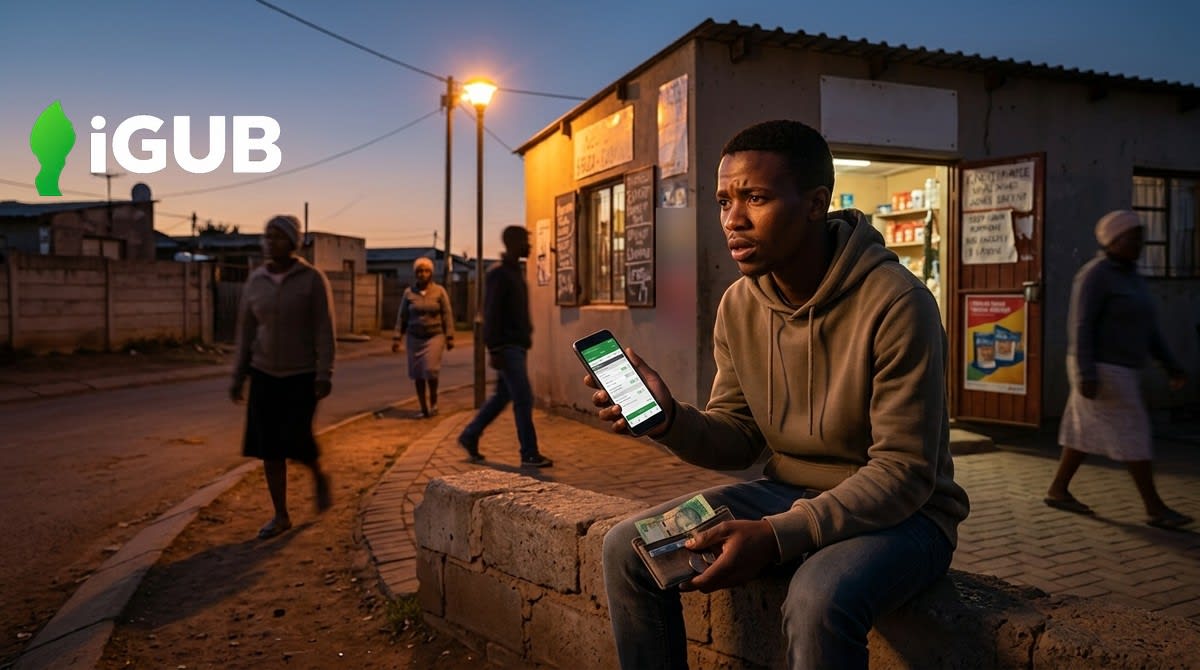

South Africa's gambling regulator has raised the alarm about where some betting money comes from. Speaking at the launch of Sun International's Responsible Gambling Charter in Sandton on 13 October 2026, National Gambling Board (NGB) acting CEO Lungile Dukwana said a growing number of students and social grant recipients are using NSFAS allowances and SASSA grants to gamble.
What the regulator said
Dukwana described a rising trend of students and grant recipients spending money meant for basic needs and studies on betting. He said that targeting these groups undermines the purpose of the funds, and that advertising has helped normalise gambling for vulnerable people.
He did not argue for a simple ban on betting. Instead he pointed to two goals:
- Protecting vulnerable players: the NGB has developed advertising norms and standards meant to shield minors, students, vulnerable consumers and social grant beneficiaries from harmful gambling marketing.
- Keeping players in the legal market: he called for "total channelisation" within the regulated local market, so that players bet with licensed operators that must follow these rules rather than with offshore sites.
No figures were given on how many grant recipients or students gamble, or how much of their money goes on betting.
Why this matters now
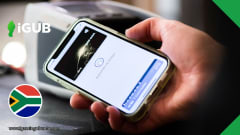
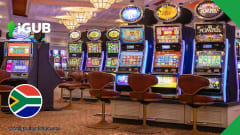
Betting is the biggest and fastest-growing part of South Africa's gambling market. NGB figures for 2024/25 show R74.9 billion in gross gambling revenue nationally and R5.8 billion in gambling taxes, according to the Sunday Times. Most betting now happens on phones: the GeoPoll Betting in Africa 2026 report found that about 95% of active bettors in major African markets, including South Africa, place their bets on mobile devices.
That shift makes it easy for anyone with a phone and a mobile wallet to bet at any time, including people whose only income is a grant. As Dukwana put it, gambling is no longer confined to a particular place or time.
The warning also lands while National Treasury is still consulting on a proposed 20% national tax on online gambling revenue. Treasury has said the main aim of that tax is to discourage problem gambling. You can read more in our article on South Africa's 20% online gambling tax.
How the industry is responding
Sun International used the same event to launch its Responsible Gambling Charter. The company, led by CEO Ulrik Bengtsson, plans to introduce AI-supported monitoring tools from 2027 to identify players who may be at risk of gambling harm. The NGB welcomed the charter as an important step.
The hard part is detection. Operators do not have access to SASSA or NSFAS records, so they cannot easily see whether a deposit comes from a grant or a student allowance. That leaves operators relying on customer declarations, spending patterns and affordability checks.
What operators should do
- Review marketing. Check campaigns, bonus offers and timing against the NGB's advertising norms, especially promotions that coincide with grant payment dates or the start of the academic year.
- Use behaviour signals. Sudden deposits on grant payment days, frequent small top-ups and chasing losses are all warning signs that monitoring tools can flag.
- Make limits easy. Deposit limits, cooling-off periods and self-exclusion should be simple to find and use on mobile.
- Prepare for tighter rules. With a new National Gambling Board in place and a national tax under discussion, responsible gambling is likely to become a bigger part of licensing and compliance checks.
Where to get help
If gambling is affecting you or someone you know in South Africa, the National Responsible Gambling Programme offers free counselling. Call its toll-free helpline on 0800 006 008, available 24 hours a day, or email helpline@responsiblegambling.org.za.
Related reading
Follow African iGaming as it happens
Daily regulation and market updates on Telegram
Sources
- Sunday Times, 14 October 2026
- Sunday World, 13 October 2026
- National Gambling Board, National Responsible Gambling Programme
- ITWeb, 21 October 2026
This article is for information, not legal advice. Sources last checked on 23 October 2026. Gambling is for adults only (18+).