

Kenya's betting licence bill has jumped from thousands of shillings to tens of millions in one year. The Gambling Control Act 2025 replaced laws dating back to 1966 and moved regulatory duties from the Betting Control and Licensing Board to the Gambling Regulatory Authority.
The new fee schedule arrived in mid-2026 and went straight to court. Operators now pay the higher fees while judges decide whether those fees are lawful.
The New Price of an Online Bookmaker Licence
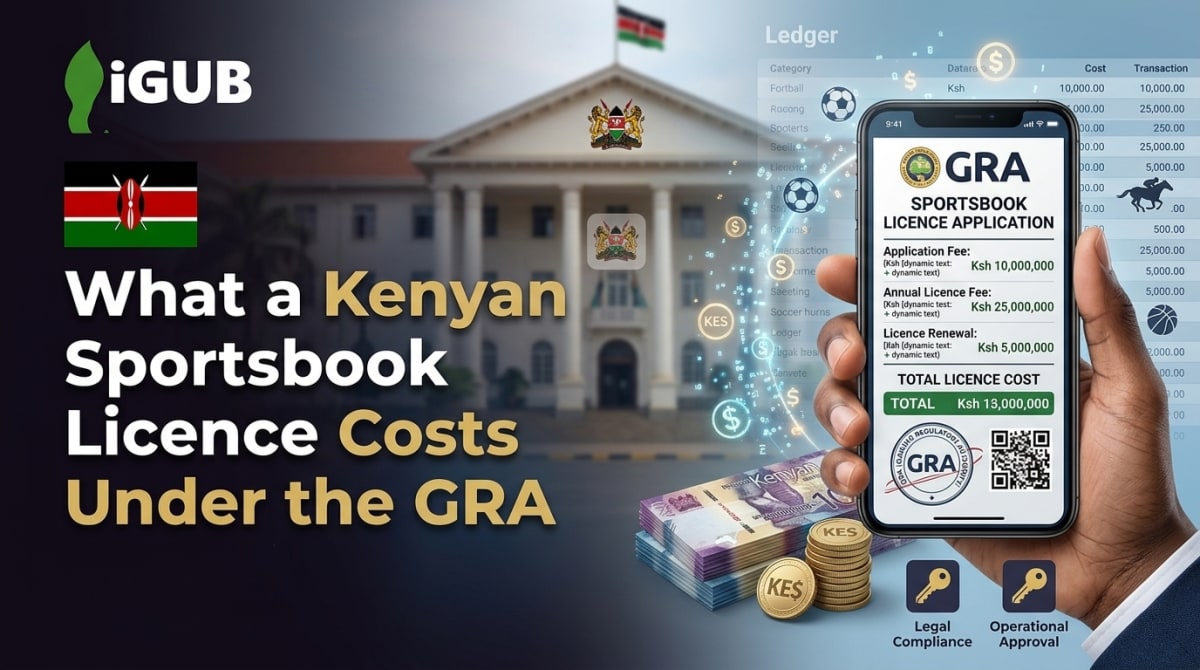
An online bookmaker now pays a KES 5m application fee, a KES 50m licence fee and KES 5m each year to operate. Renewal costs KES 12.5m. Online bookmakers and online casinos also need gambling capital of KSh100m. A separate approval fee equals 6% of an operator's advertising budget.
The old costs were far lower. Operators previously paid a little over Ksh10,000 to apply, then between roughly Ksh400,000 and Ksh1m in yearly licence fees. The March consultation draft had proposed an KES 8m licence fee for online bookmakers.
Rules Beyond the Fees
Money is only part of the entry test. Applicants must be companies with at least 30% of shares held by Kenyan citizens and keep a local bank account for all gambling money. Applications also need proof of gambling capital and security through an insurance bond or bank guarantee.
Payments sit under direct control too. Legal Notice 112 bars payment providers from processing gambling payments without the Authority's approval, and the Authority can revoke that approval. An operator without approval loses access to M-Pesa collections.
A Fee Schedule Still in Court
Justice W. Musyoka suspended the licensing regulations on 20 July after a challenge by Thomas Buckley Opar Owuor and Ken Brance. On 24 August, the High Court allowed the regulator to collect the new fees while the case continues. The Authority told the court 246 licence applications had stalled because it could not lawfully take payment.
The case returned to court this week. At the 21 September hearing, the respondents had not yet filed their response, and AGOK raised concerns over messages threatening to switch off operators' Paybills on 24 September. Judgment had been scheduled for 2 October.
Licensing as a Boardroom Decision
Kenyan bookmakers now face licence costs in the tens of millions of shillings on top of betting taxes. The court's final ruling decides whether those numbers stay or return to the drawing board.