
You pay to win a player on Monday. He plays your casino all week. On Saturday, when the football starts, he opens a bigger brand's app and never comes back.
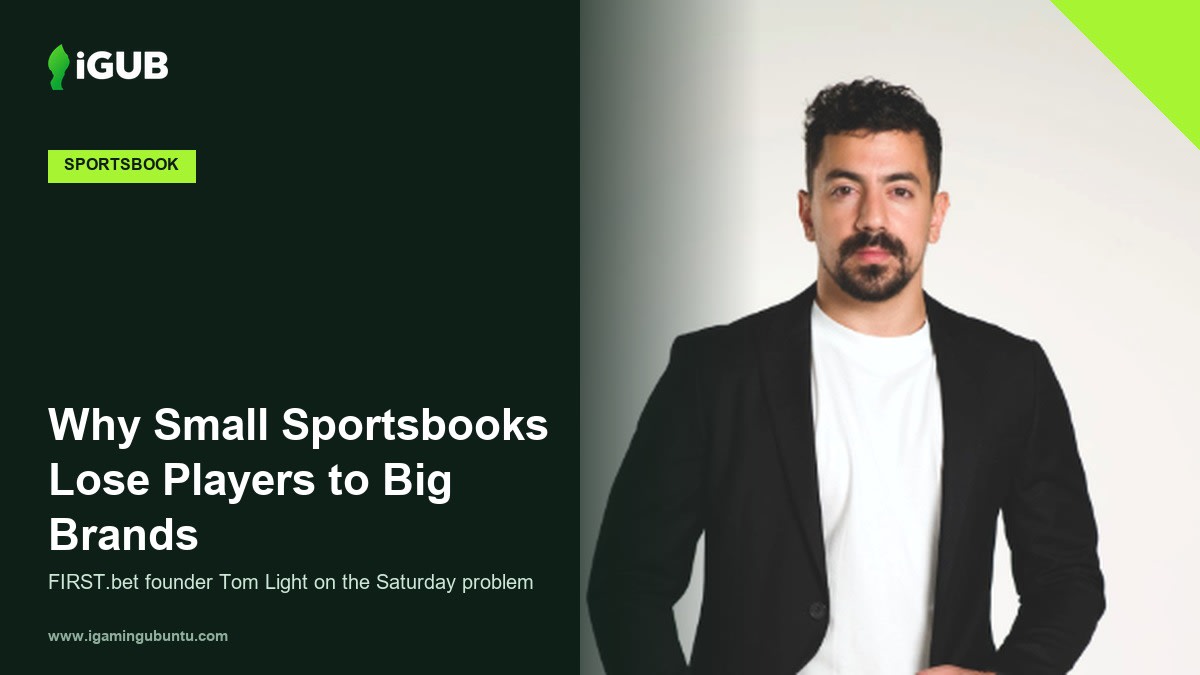
If you run a betting site, you have probably seen this in your own numbers. Tom Light, founder and CEO of sportsbook supplier FIRST.bet, says it is the biggest problem smaller operators face, and that it can be fixed.
The real reason players leave
His point is simple. Giants such as bet365, Betano, Novibet, DraftKings, FanDuel and Pinnacle run a top-class sportsbook, while most operators renting one from a supplier get something weaker. The money leaks: an operator spends 100 to 300 dollars winning a player for the casino, the player enjoys the slots, but on match day he wants the best odds and a fast bet slip, finds them elsewhere, and stays there.
What the big brands quietly tell you
Here is the detail worth sitting with. The giants happily buy from suppliers everywhere else, slots from Pragmatic Play or PG Soft, live casino from Evolution or Playtech, but they do not buy their sportsbook. They build it themselves, because in Light's view, the supplier products on the market were not good enough. Sports is where the big brands believe the fight is won. If your sportsbook is your weakest product, you are weak in the one place that matters most to a bettor.
You don't need to control everything
Many operators think they must choose between handing everything to a supplier or building a huge trading team. Light describes a middle road. His company prices about 5,000 live events a day with 250 traders, a scale no small operator can match, but about 5% of events bring in 95% of the betting volume, so an operator can take over just those big games and run the risk on them with three to five traders of their own. A handful of fixtures each weekend carry most of your turnover, and those are the games where your own pricing, limits and offers can set you apart.
Local beats global
The second idea is building around one region properly, not copying a template. FIRST built its product around Latin America, namely Brazil, Argentina, Peru, Mexico, Ecuador and Chile, with local staff placed next to the operators they serve rather than run from one head office. At the time of Light's interview, 68 companies had been licensed in Brazil and more than 30 had signed with FIRST, though Brazil's market has since closed to new online betting, and FIRST has shifted toward Mexico and Chile while it waits to see whether Brazil reopens.
Five questions to ask your sportsbook supplier
You can put these questions to any supplier today: do your players get the same depth of markets and speed as the biggest brand in your country? Can you take control of your top games, or is everything locked? Is the product actually built for your market, your leagues, your payment methods, your players' habits? Does the supplier have people in your region or only a support email? If the answers are weak, your Saturday problem will not go away.
Why this matters for Africa
This is no longer only a Latin American story. Light's company has said it wants to repeat its Brazil approach in Africa. African bettors love football as much as Brazilians do, and the same gap shows up here, since who is allowed to power a sportsbook is still being worked out market by market, from what a Kenyan sportsbook licence costs to South Africa's new manufacturer licence route. Local operators face the same giants and the same Saturday leak, and the ones who ask hard questions of their next supplier will get the better deals.
The bottom line
Casino can win you a player. Only a strong sportsbook keeps him on match day. Check where your players go on Saturday, then decide whether your sportsbook is good enough to bring them back.