
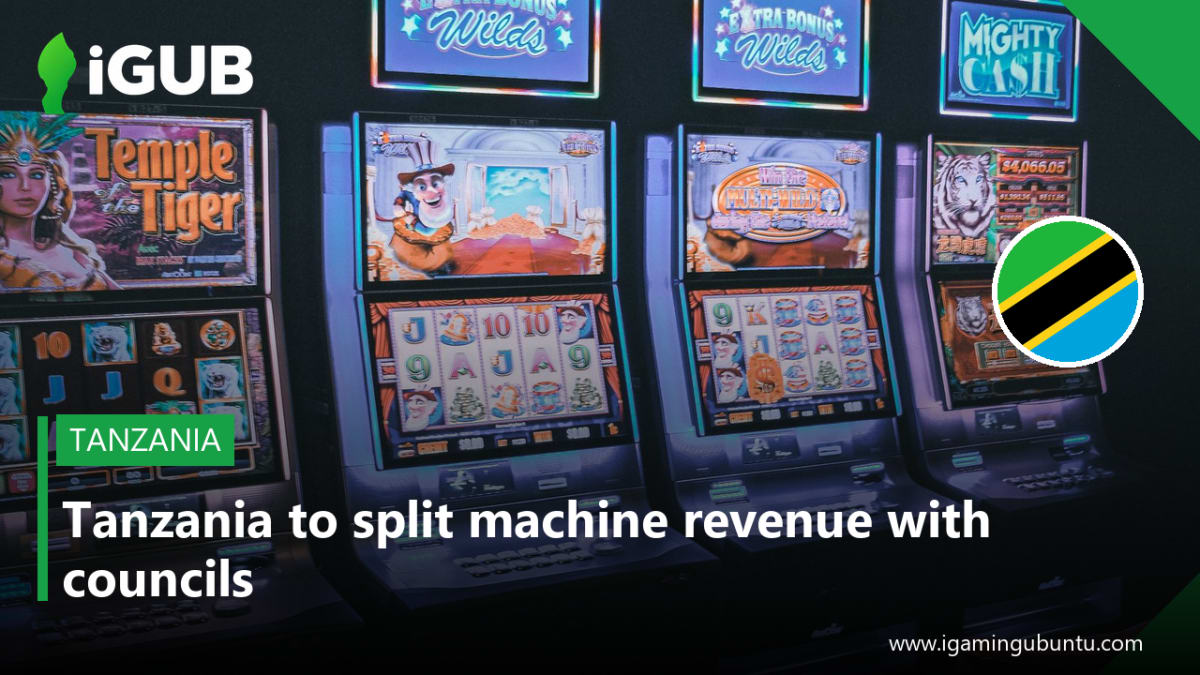

Tanzania is finalising an agreement with local government authorities that will set how revenue from gaming machines is shared between central government and local councils, Deputy Minister for Finance Engineer Mshamu Munde told Parliament.
Munde gave the update in Dodoma on Thursday 29 October, answering a question from Husna Juma Sekiboko, a Special Seats Member of Parliament. He said the draft will be signed once stakeholders have submitted their views. The revenue percentages have not been disclosed.
The machines are known locally as dumbwi. Sekiboko's question referred to them as "madugudugu ya Wachina", and alleged they were damaging moral values.
What the agreement covers
The deal is expected to establish how gaming-machine revenue is divided between the two tiers of government.
The Gaming Board of Tanzania is expected to work with the President's Office, Regional Administration and Local Government to apply it at council level. Authorities have framed the move as tighter oversight of machines operating in informal and rural communities.
New foreign licences suspended
Munde also said the government has suspended the issuance of new gaming-machine licences to foreign operators, while authorities assess their social and economic impact.
That follows an April 2026 decision by the Gaming Board of Tanzania to halt new slot-machine and route-operation licences for new applicants while it built an Electronic Monitoring System. The April measure did not single out foreign operators. The October parliamentary response does.
Monitoring and seizures
The Board is developing a system for real-time monitoring of gaming machines.
Enforcement operations are running alongside it, involving security and law-enforcement agencies, the Tanzania Revenue Authority and local government authorities. Their task is to find illegal machine operations and act against non-compliant operators.
Authorities have seized and destroyed 1,702 gaming machines over the past three years, according to the parliamentary response.
The social-impact question
Munde did not accept the premise of the question put to him. He said there is no research or evidence showing that the machines contribute to moral decay.
He said studies have identified gambling addiction as a challenge associated with such games, and that it requires effective control measures. The exchange is recorded in the Order Paper for the Fifth Meeting, Third Sitting of the Parliament of Tanzania.
What it means for operators
Route operators and machine suppliers face two open questions: when new licences reopen, and what share of revenue councils will take.
Neither has a date. Operators already licensed should expect monitoring obligations once the Electronic Monitoring System is live. The direction matches the wider region, where Uganda has been destroying seized machines and blocking illegal sites, and where Tanzania earlier dropped its 5% stake tax.
Frequently asked questions
Has Tanzania banned gaming machines?
No. It has suspended new gaming-machine licences for foreign operators and is finalising a revenue-sharing agreement with local councils.
Who will share gaming-machine revenue in Tanzania?
Central government and local government authorities. The split has not been disclosed, and the draft is awaiting stakeholder input.
Can foreign operators get a new machine licence in Tanzania?
Not at present. Issuance is suspended while authorities assess the social and economic impact.
How many gaming machines has Tanzania destroyed?
1,702 over the past three years, according to the government's response in Parliament.
What is Tanzania's Electronic Monitoring System?
A system the Gaming Board of Tanzania is building to monitor gaming machines in real time. Work on it was the reason new licences were paused in April 2026.