
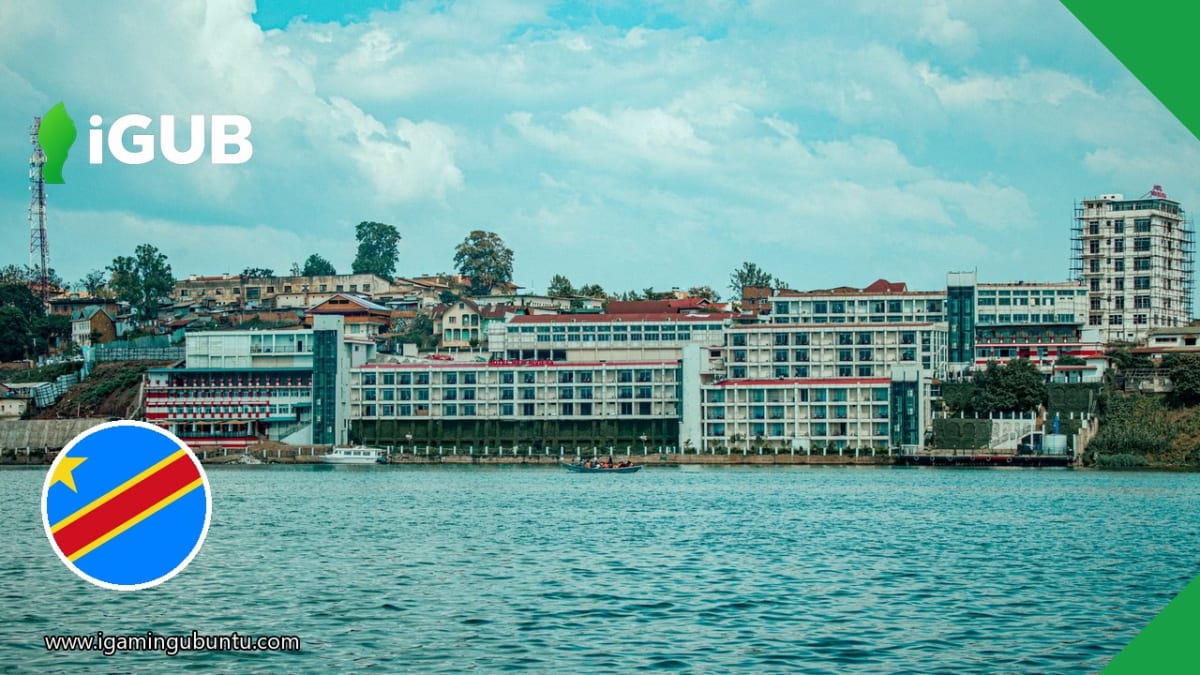

The Democratic Republic of Congo wants to tax gambling operators on gross gambling revenue for the first time. The 2027 Draft Finance Bill, tabled on 29 October, proposes a new levy with half of the money set aside for regulating the sector. The rate is not in the bill.
What happened
Prime Minister Judith Suminwa Tuluka presented the 2027 Draft Finance Bill to the National Assembly on 29 October 2026. Her speech named four new tax areas: digital services sold by foreign companies, commissions on mobile payments, gambling and games of chance, and updated income and corporate tax scales. The Congolese outlet BETO, which reported the speech on 30 October, noted that she gave no revenue estimate for any of them.
Trade press reports, citing the Prime Minister's office, that the Assembly declared the bill admissible on 30 October and sent it to its Economic and Financial Committee for detailed examination and amendments before it returns to the full chamber.
What the bill proposes for gambling
As reported, Articles 100 to 102 create a Gambling and Games of Chance Sector Levy, known by the French initials RJAH. It would apply to legal entities that operate gambling in the country and be calculated on gross gambling revenue: stakes received minus winnings paid out.
Half of the proceeds would go to the public treasury. The other half would fund regulation and supervision of the sector and measures against excessive gambling. The revenue directorate DGRAD would collect the levy, and the Gambling Sector Monitoring Unit (CSJA) would manage the half meant for oversight.
The percentage is left open. Article 101, as reported, gives the Finance Minister power to set the rate, the way revenue is calculated and the filing and payment rules through a ministerial order. Operators therefore cannot yet price the levy.
We could not open the bill's own text. The article numbers and split come from trade press reading the draft, and the Prime Minister's speech comes from BETO. We will update this page when the official text or the committee's amendments are public.
Why it matters
Online betting and gaming rooms have spread across Congolese cities without a clear tax regime of their own, BETO notes. A levy on revenue rather than one on players' winnings would move the tax from the player to the operator.
That is the model the opposition leader Delly Sesanga has asked for. As reported, he wants the winnings tax scrapped and replaced with a tax on operators' gross revenue, and argues that weak public receipts point to unlicensed operators, under-reporting and poor collection.
The earmark matters as much as the rate. Half of the levy funding the monitoring unit would give oversight its own income. Other markets are weighing the same trade-offs: Tanzania has reported what its gaming tax brought in, Zimbabwe lifted its operator betting tax from 3% to 20% in January, and South Africa is still designing a 20% online gambling tax.
What happens next
The Economic and Financial Committee will examine the draft and can amend it. The bill then goes back to the plenary for a vote. Until the Finance Minister's order is published, the rate and the method for calculating revenue remain unknown. Operators with Congolese players, and the regulators across the region, should watch two things: whether the committee keeps the 50% earmark, and what rate the order sets.
Frequently asked questions
Is the DRC gambling levy already law?
No. It is in the 2027 Draft Finance Bill, which the National Assembly declared admissible on 30 October and sent to committee.
How would the levy be calculated?
On gross gambling revenue, meaning stakes received minus winnings paid, according to reports on Article 101.
What rate would operators pay?
Not set. The Finance Minister would decide by ministerial order.
Information, not legal or tax advice. 18+ only. Gamble responsibly.