
Zambia's 2027 budget extends betting taxation to mobile phone lotteries and introduces inspection fees for betting premises. The changes follow a 2025 tax dispute that led Betway, BetLion and betPawa to suspend parts of their operations.
Zambia's latest betting tax proposals follow the disruption caused by a 10% excise duty on betting stakes introduced in 2025. The tax survived a constitutional challenge in October that year, after which several major operators changed their operations.
Betway suspended its Zambian business, BetLion stopped trading, and betPawa withdrew its casino and jackpot products while continuing to offer sports betting. In Tanzania, betPawa continued operating while its premises hosted a parliamentary tour.
The government removed the 10% excise duty in January 2026. The three operators subsequently resumed their services, with BetLion returning under the Bandabets name.
Zambia replaced the excise duty with a Betting Levy of 5% on deposits into and withdrawals from customer betting accounts. The levy is collected monthly and replaced the income tax previously applied to the sector. The 2027 budget retains the 5% rate.
Finance Minister Situmbeko Musokotwane's budget speech on 6 November confirmed that online betting would remain subject to the Betting Levy rather than ordinary income tax. The Zambia Revenue Authority described this as a housekeeping amendment.
The wider change extends the levy to mobile phone lotteries and other gaming products paid for through mobile money or airtime deductions. These payment methods fall outside the current rules, which focus on transactions through betting accounts.
However, the minister's speech and the published budget summary do not explain how authorities will value or collect the levy on these transactions.
The proposals also introduce inspection fees for betting houses and lottery premises, although the government has not published the applicable rates.
Another change concerns agents appointed by the tax commissioner to collect and withhold Betting Levy payments before transferring the funds to operators. Agents who fail to remit collected money by the deadline will face a penalty of 10,000 penalty units for each day the payment remains outstanding.
The changes add enforcement measures to the wider tax framework. Regulators in other African markets have also taken action against operators and equipment outside licensing requirements, including Uganda's seizure of illegal gaming machines.
Zambia's finance ministry says the tax measures aim to address gambling-related harm while maintaining oversight of the industry. The government used similar reasoning when introducing the 2025 stake tax, which was followed by the withdrawal or suspension of services by three major operators.
The 2027 proposals do not introduce another flat tax on every betting stake. However, they extend the existing levy to additional payment channels and introduce new inspection and collection requirements.
Zambia's 5% deposit-and-withdrawal levy also differs from the gross gaming revenue taxes used in some neighbouring markets. Betting tax rates in South Africa and Tanzania provide examples of those alternative approaches.
The latest changes come after Zambia restored full services from Betway, Bandabets and betPawa. How the wider levy will apply to mobile lotteries and airtime-based gaming should become clearer when the government publishes further implementation details.
Frequently asked questions
What is Zambia's current betting tax rate? Since January 2026, Zambia has applied a 5% Betting Levy to money deposited into and withdrawn from customer betting accounts. It replaced the income tax previously applied to gaming and betting businesses.
Why did Betway, BetLion and betPawa suspend operations in Zambia? A 10% excise duty on betting stakes introduced in 2025 led to changes in their operations. Betway suspended its business, BetLion stopped trading before returning as Bandabets, and betPawa withdrew its casino and jackpot products while retaining sports betting.
What changes under Zambia's 2027 budget? The proposals extend the Betting Levy to mobile phone lotteries and airtime-based gaming, introduce inspection fees for betting and lottery premises, and impose daily penalties on agents who delay remitting collected levies. The existing 5% rate remains unchanged.
Sources
- Zambia Revenue Authority, 2027 Budget Highlights, 6 November 2026
- iGamingToday, 11 November 2026
- FindMoreAfrica, 12 November 2026
This article is for information, not legal or tax advice. Sources last checked on 16 November 2026. Gambling is for adults only (18+).
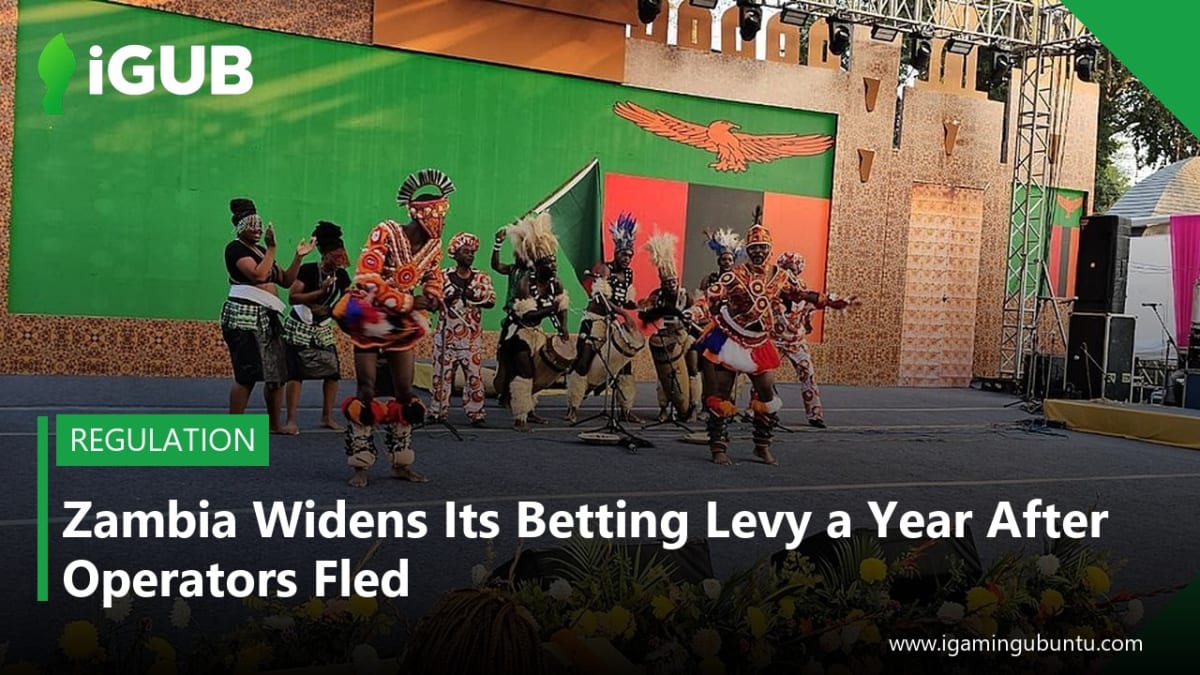
Image: LizzySimz, CC BY-SA 4.0, via Wikimedia Commons.