 Regulation
Uganda's 2027 Gaming Licence Renewals: What the NLGRB Expects From Operators
The NLGRB set its 2027 renewal expectations on 25 September 2026. Here is what operators face on NCEMS, reporting, the 15% withholding tax and player protection.
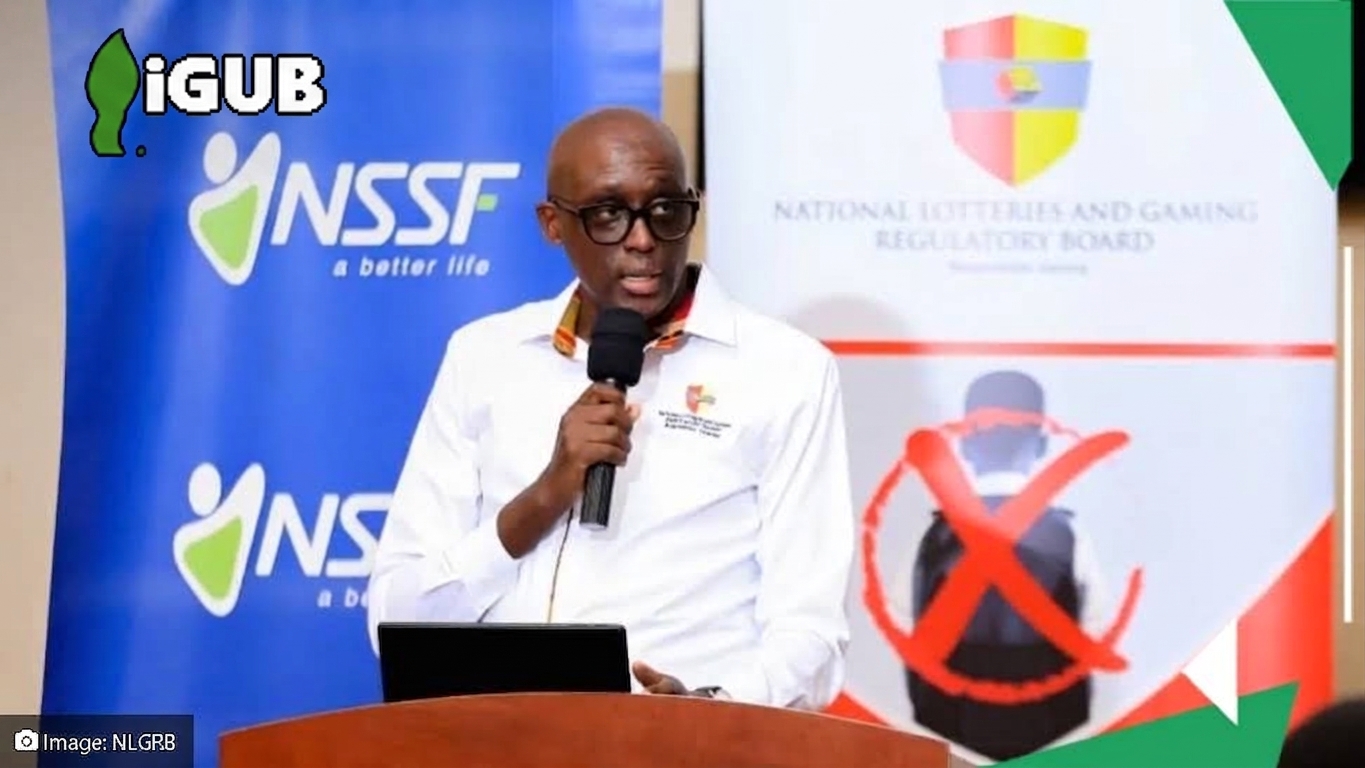
Uganda's gaming operators now know the terms for their next licence renewal. On 25 September 2026, the National Lotteries and Gaming Regulatory Board met operators, licence applicants and partner agencies, including the Uganda Revenue Authority and the National Social Security Fund, at Royal Suites in Bugolobi to set expectations for 2027.
The meeting lands as the market moves online. Uganda has 63 licensed gaming operators, and the Board estimates that about 93% of gaming activity now happens online.
What the Board Told Operators
The Board opened with player safety. CEO Denis Mudene Ngabirano said public safety and harm prevention must stay the industry's top priorities, and that revenue alone does not measure success. He asked operators to keep improving age verification, self-exclusion tools and responsible gaming messages.
He also framed the rules as a benefit to licensed firms. Ngabirano said the Board wants to give legitimate operators "certainty and confidence they need to invest, innovate, and grow responsibly."
Board Chairperson Kenneth Kitariko set out the conditions. He said a licence brings legal, financial and social responsibilities, not just paperwork. His three expectations were full legal compliance, accurate and timely reporting, and a firm commitment to player protection.
NCEMS Sits at the Centre of Renewal
Ngabirano also described a move toward digital, data-driven oversight through electronic licensing and the National Central Electronic Monitoring System (NCEMS). Operators who went through the last cycle already know what that means in practice.
The 2026 renewals required operators to integrate all gaming systems with NCEMS before approval. Franchisees had to list declared premises and every electronic gaming machine connected to the system.
The system keeps growing. NCEMS enables real-time monitoring of gaming activity and operator compliance, and links to the national identity authority, NIRA, for age checks. Players also use NCEMS and operator-linked systems for self-exclusion.
Staff capacity is expanding too. The NLGRB sent a joint IT team with NITA-U to Ljubljana, Slovenia, for training on the system's architecture, integrations and daily operations.
Lessons From the 2026 Renewal Window
Last year's timeline gives operators a planning guide. The 2026 renewal window opened on 3 October 2025 through the e-licensing platform and closed on 31 October 2025. The Board said it would not accept any late applications.
Documentation standards were strict. Applicants had to prove "full compliance with regulatory obligations," according to the NLGRB notice. Data collection and processing systems also had to meet NITA-U's national IT and security standards, and the Board promised to process applications within 60 days.
Public reports had not listed dates for the 2027 window at the time of writing. Operators preparing now can use the 2026 cycle as a guide to paperwork, integration checks and lead times.
Tax Sits Alongside Licensing
URA's presence at the meeting reflects a busy year for gaming tax. Earlier in September, the NLGRB and URA met operators on implementing Section 131 of the Income Tax (Amendment) Act, 2026, which covers the 15% withholding tax.
Cooperation between the two agencies runs deeper. In August, the NLGRB hosted URA's Gaming Unit to discuss tax compliance, transparency and revenue mobilisation. The two agencies had earlier worked on NCEMS data collection, sharing and access.
The revenue stakes are clear. The Board says gaming contributed UGX 355.4 billion to government revenue in FY2025/26 and supports more than 24,000 jobs.
Enforcement Beyond the Licence
Renewal is only one layer of oversight. The NLGRB has asked telecom companies to support monitoring and consumer awareness. Ngabirano told them, "Telecom operators can become ambassadors for responsible gaming."
Enforcement numbers show the pressure on unlicensed activity. Since FY2021/22, authorities have destroyed 7,797 illegal gaming machines and blocked 23 illegal operators with help from payment processors and mobile money providers.
Legal changes are also under discussion. Proposed reforms would separate online and land-based licences more clearly and tighten technical standards for operators.
Renewal as a Compliance Check
The 2027 cycle will test more than paperwork. Operators who arrive with NCEMS-connected systems, clean tax records and working player protection tools stand in a stronger position when the renewal window opens.
Advertisement
Best Odds & Betting Offers
AdsSportPesa
200% Welcome Bonus up to KES 5,000, M-Pesa Accepted
18+ · T&Cs apply · Affiliate link
1xBet
100% Deposit Bonus + $100 Free Bet + Live Streaming
18+ · T&Cs apply · Affiliate link
Betika
Free Bet on First Deposit + Instant M-Pesa Withdrawals
18+ · T&Cs apply · Affiliate link
18+ Only. Gamble responsibly. Affiliate links — we may earn a commission.
Advertisement
SportPesa
200% Welcome Bonus up to KES 5,000, M-Pesa Accepted
18+ · T&Cs apply · Affiliate
Top Betting Sites
AdsSportPesa
200% Welcome Bonus up to KES 5,000, M-Pesa Accepted
18+ · T&Cs apply · Affiliate link
1xBet
100% Deposit Bonus + $100 Free Bet + Live Streaming
18+ · T&Cs apply · Affiliate link
Betika
Free Bet on First Deposit + Instant M-Pesa Withdrawals
18+ · T&Cs apply · Affiliate link
18+ Only. Gamble responsibly. Affiliate links — we may earn a commission.
Nasheta John
iGaming content specialist covering African markets
Published Sep 28, 2026 · Updated Sep 28, 2026
This article contains affiliate links. We may earn a commission when you sign up through our links at no extra cost to you. All opinions, reviews, and recommendations are our own based on independent research and expertise. Please gamble responsibly. 18+.